
Helping leaders bring out the best in people
Coaching
Intelligence Course
Coaching is the art of facilitating another person's learning, development, wellbeing, and performance to help them realise their full potential. This course gives leaders the confidence and capability to support learning, strengthen relationships and create environments where people can thrive.
Stronger coaching creates safer teams
Great leadership doesn't come from telling people what to do. It comes from listening, guiding, and supporting people in a way that builds their confidence and capability. The coaching intelligence course is designed to help leaders empower teams, reduce harm and improve safety helping to move organisations towards safety citizenship.
“Coaching is all about helping others move from where they are to where they can be.”
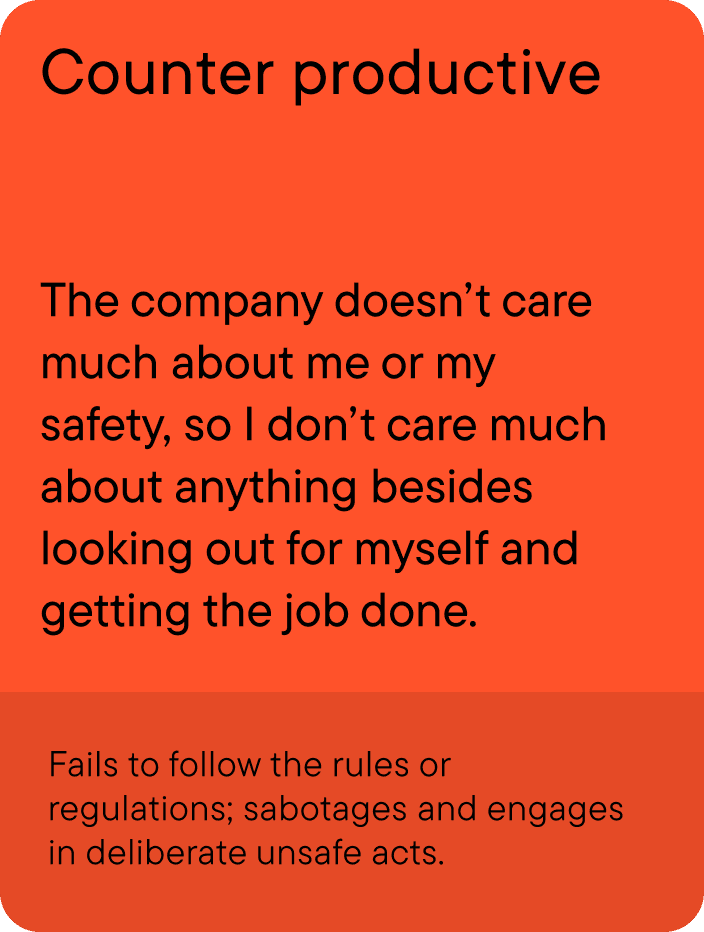
Counter productive
The company doesn't care much about me or my safety, so I don't care much about anything besides looking out for myself and getting the job done.
Fails to follow the rules or regulations; sabotages and engages in deliberate unsafe acts.
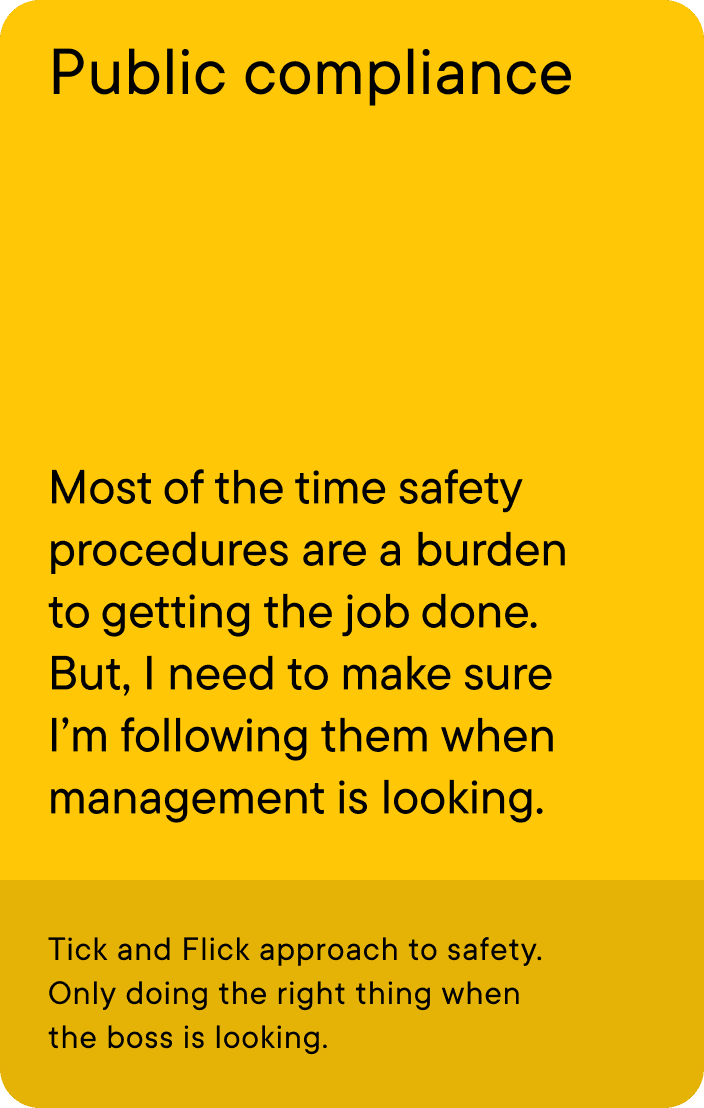
Public compliance
Most of the time safety procedures are a burden to getting the job done. But, I need to make sure I'm following them when management is looking.
Tick and Flick approach to safety. Only doing the right thing when the boss is looking.
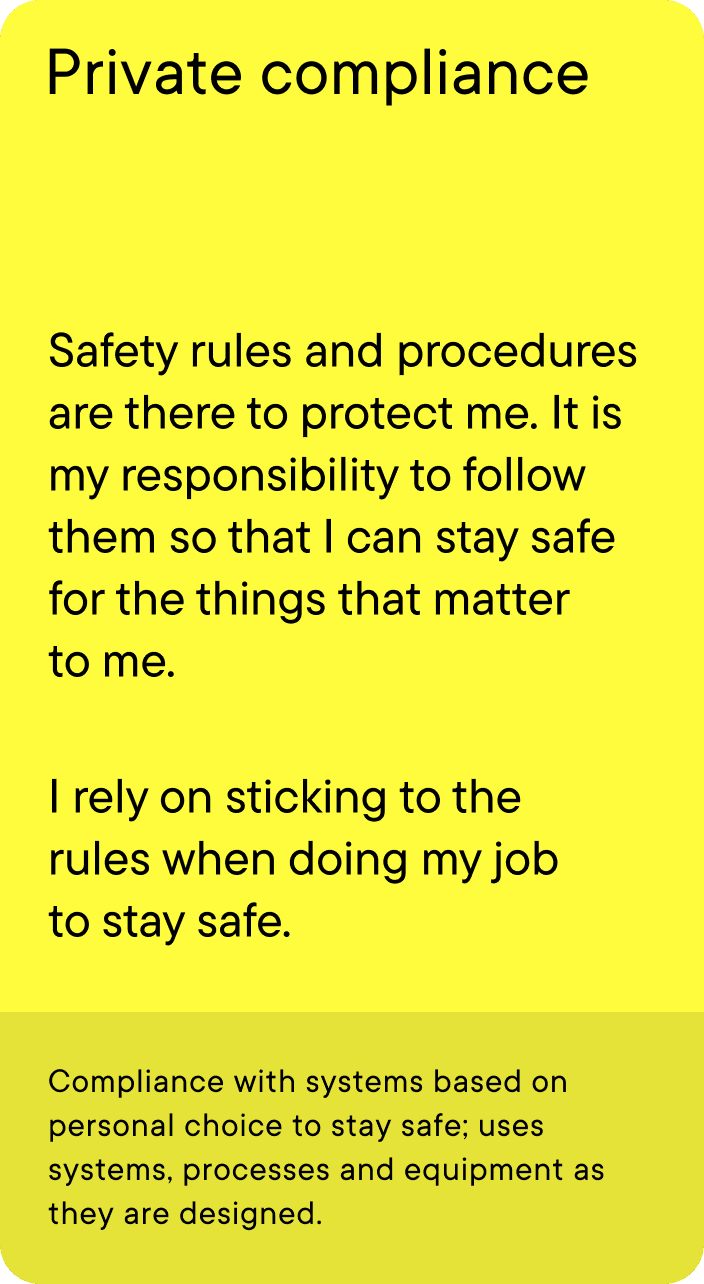
Private compliance
Safety rules and procedures are there to protect me. It is my responsibility to follow them so that I can stay safe for the things that matter to me.
I rely on sticking to the rules when doing my job to stay safe.
Compliance with systems based on personal choice to stay safe; uses systems, processes and equipment as they are designed.
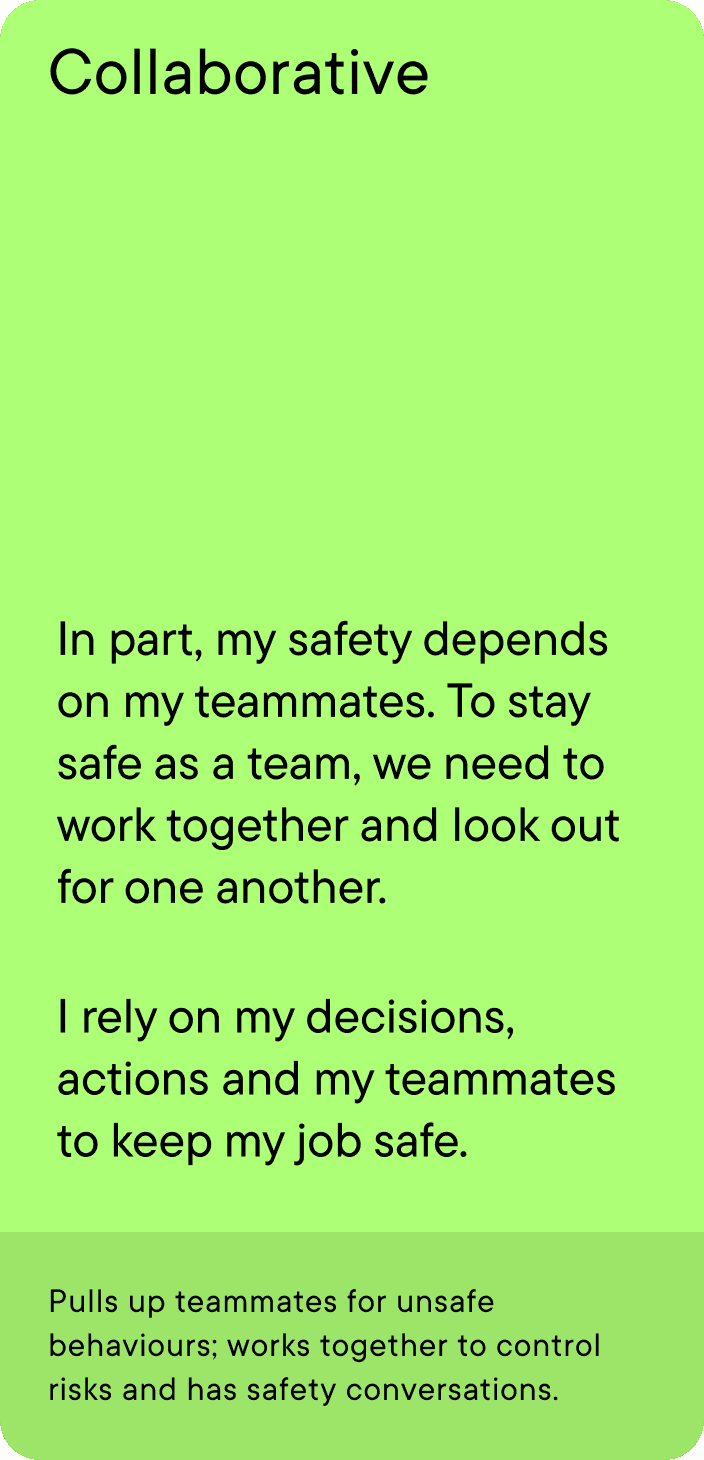
Collaborative
In part, my safety depends on my teammates. To stay safe as a team, we need to work together and look out for one another.
I rely on my decisions, actions and my teammates to keep my job safe.
Pulls up teammates for unsafe behaviours; works together to control risks and has safety conversations.
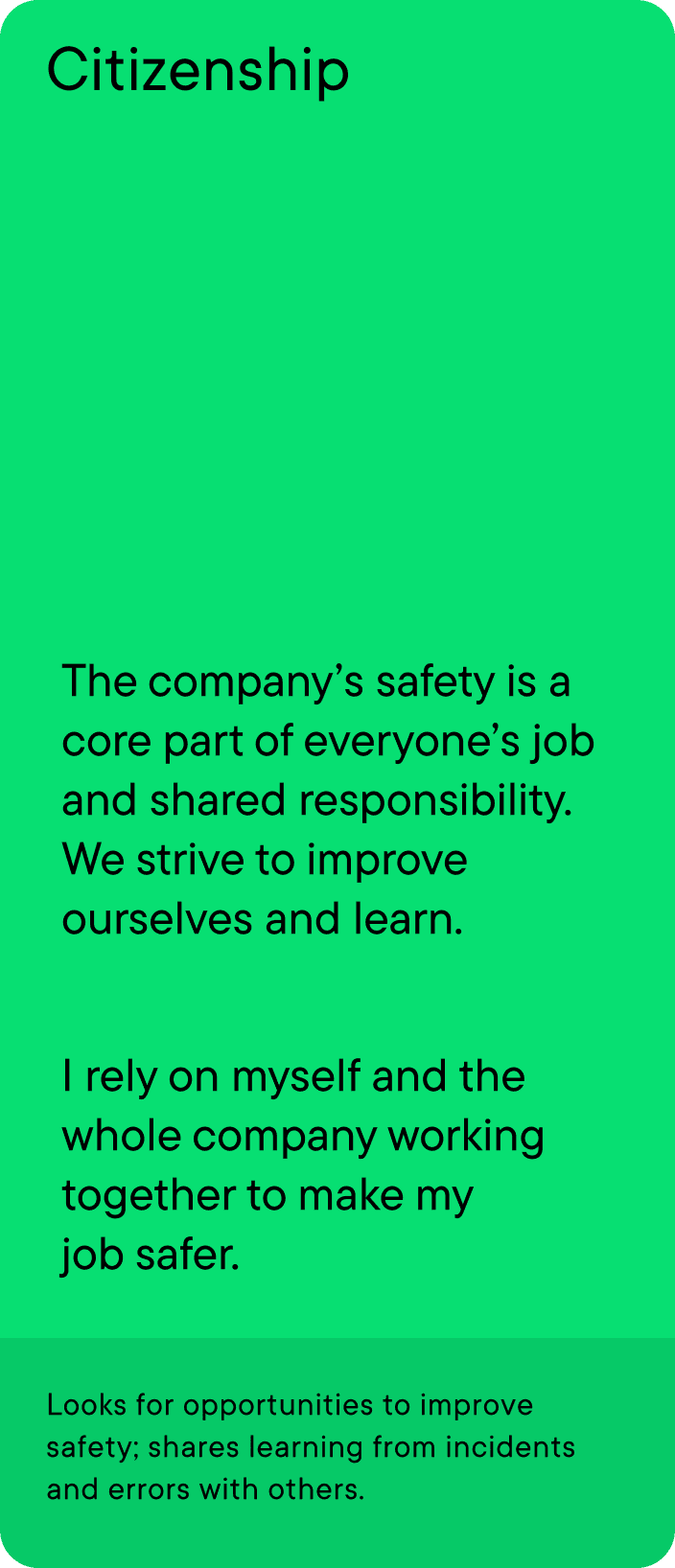
Citizenship
The company's safety is a core part of everyone's job and shared responsibility. We strive to improve ourselves and learn.
I rely on myself and the whole company working together to make my job safer.
Looks for opportunities to improve safety; shares learning from incidents and errors with others.
Source: Sentis Pty Ltd Safety Culture Maturity Model used with permission and appreciation.
https://sentis.com.au/?v=c97b334ffd41
A practical course to build capable leaders
The coaching intelligence course combines specialised skills training, master coaching services and on site tools to help leaders coach with clarity, confidence, competence and care. Each component builds on the next, supporting leaders to be self-aware, strengthen their influence and bring out the best in others.
Course Approach
Facilitated modules
On-site
Virtual coaching assignments
On-site, on the job, work habits, routines and rituals
Course Components
Mental readiness programme
Made up of mindfulness-based sustained attention training (M-SAT) and one-on-one coaching.
4x in person training days
Involving coaching theory, video-based learning, peer learning, group activities and practical application role plays.
Off week observations
Master coaching interactions
Peer learning
Cohort connection
Mindful check-ins
Learning Roadmap
A clear pathway to build capability step by step, day by day.
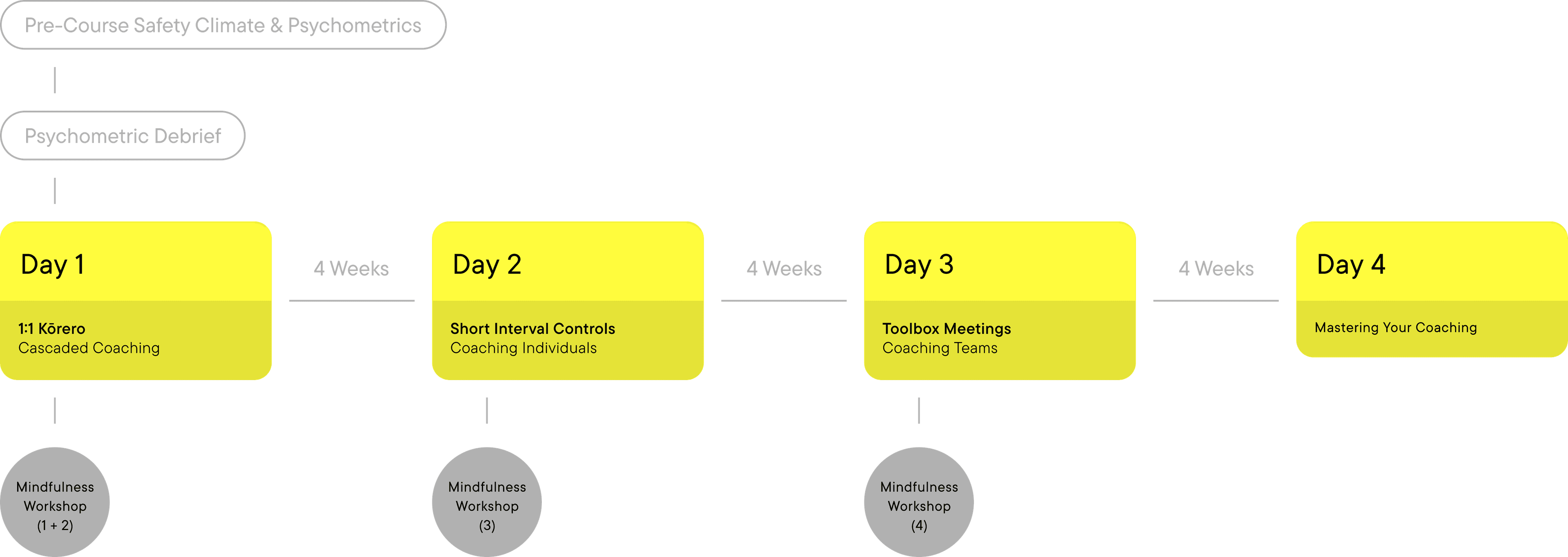
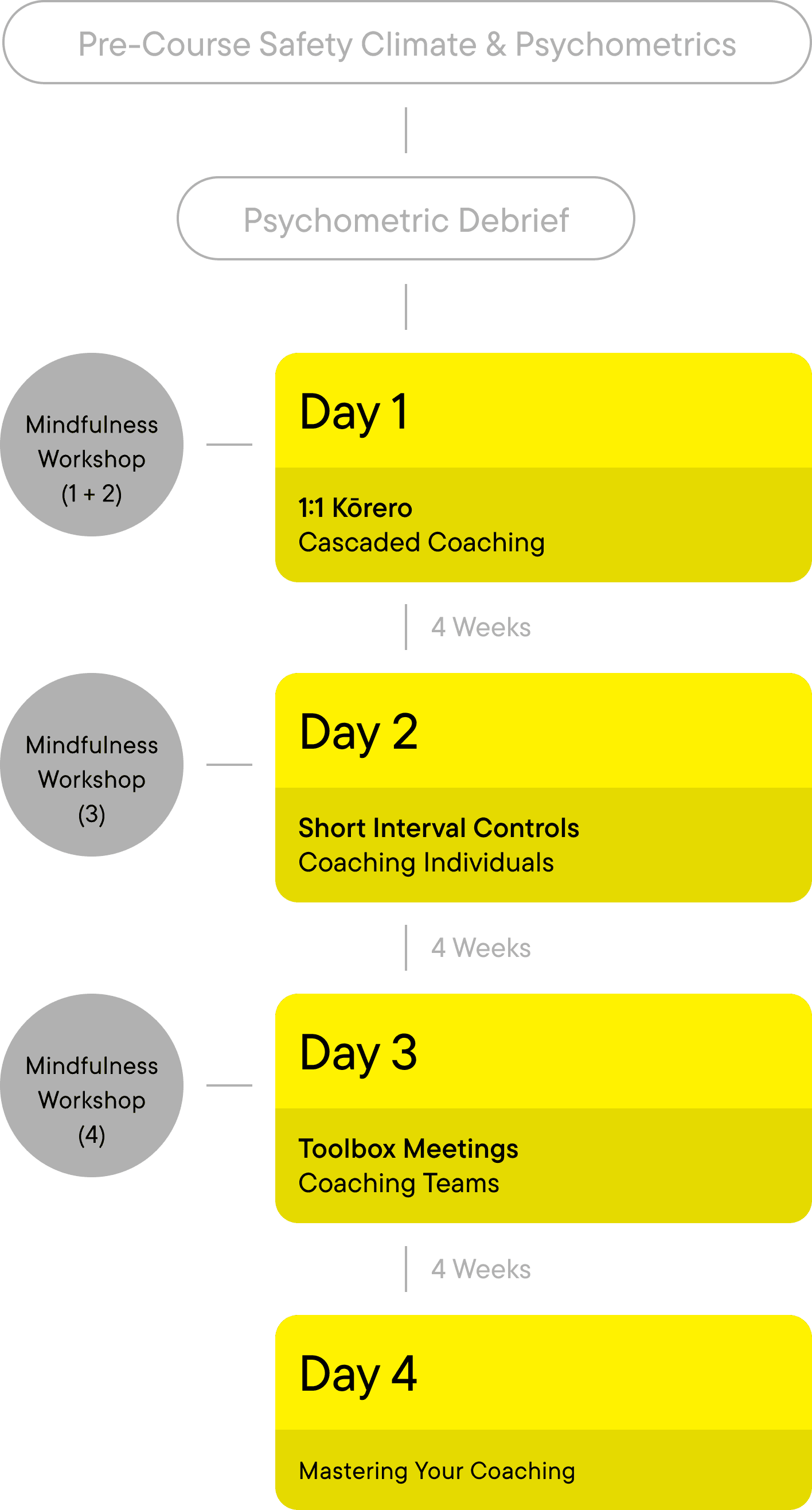
The framework this course will use for learning and coaching is the performance cycle. This cycle has three phases.
Plan
We begin with a plan. Every coaching interaction you are going to have requires a plan. This includes 1-1's, short interval controls, toolbox meetings and informal leadership catch ups. For some of these interactions you will have 30 minutes to prepare, for others 30 seconds. Regardless of the time to prepare, each interaction requires the 6P's and a set of guiding questions to plan your interaction.
Perform
In the Perform phase, there is less critical thinking and more doing. This is where you rely on what you've learnt, your experiences and your plan. There is little space to hold thoughts in your head, it is about being in the moment and executing.
Reflect
The Reflect phase is where we learn from the interaction. This phase is critical for our growth as coaches and often missed by many learners. We use the 6P's and a set of key questions to structure our reflection.